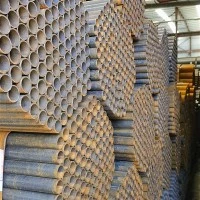


Stainless steel sheet is a key industrial material, widely used in construction, manufacturing, chemical engineering, and other fields. However, its procurement, transportation, and use involve numerous technical details that require the careful attention of foreign trade practitioners.
First, material selection is crucial. Stainless steel sheet is classified into grades such as 304, 316, and 430 based on alloy composition, such as chromium and nickel. Corrosion resistance, strength, and cost vary significantly between grades. For example, grade 316, due to its molybdenum content, is suitable for marine environments, while grade 304 is more commonly used in general industrial applications. Foreign trade companies must clearly define material standards based on customer needs to avoid returns or disputes caused by grade confusion.
Second, surface treatment directly impacts performance. Common surface finishes include 2B (cold-rolled polished), BA (bright annealed), and No. 1 (hot-rolled pickled). 2B is suitable for most industrial applications, while BA is primarily used in applications such as home appliances, where appearance requirements are high. Trade contracts should clearly specify the surface grade and include international standards (such as ASTM and JIS) for reference.
Transportation and storage are also crucial. Stainless steel plates are susceptible to scratches and contamination. Soft spacers should be used when packing, and the boxes should be securely fastened to prevent impact during transportation. In humid environments, damage to the surface protective film may cause localized rust. Therefore, moisture-proof packaging is recommended, and quality inspection standards, such as the acceptable range of defects, should be clearly stated in the contract.
Furthermore, certification requirements for international trade must be confirmed in advance. Some countries or industries have specific regulations regarding the chemical composition and mechanical properties of stainless steel plates, such as the EU's CE certification or the US's ASTM standards. Suppliers should ensure that their products comply with the regulations of their target markets to avoid compliance issues that could hinder customs clearance.
Finally, communication is key to resolving issues. Foreign trade personnel should maintain close contact with clients to clarify technical specifications, delivery dates, and acceptance procedures, and provide third-party testing reports when necessary to enhance trust. Only through standardized operations and meticulous attention to detail can the smooth execution of stainless steel plate trade be ensured.