


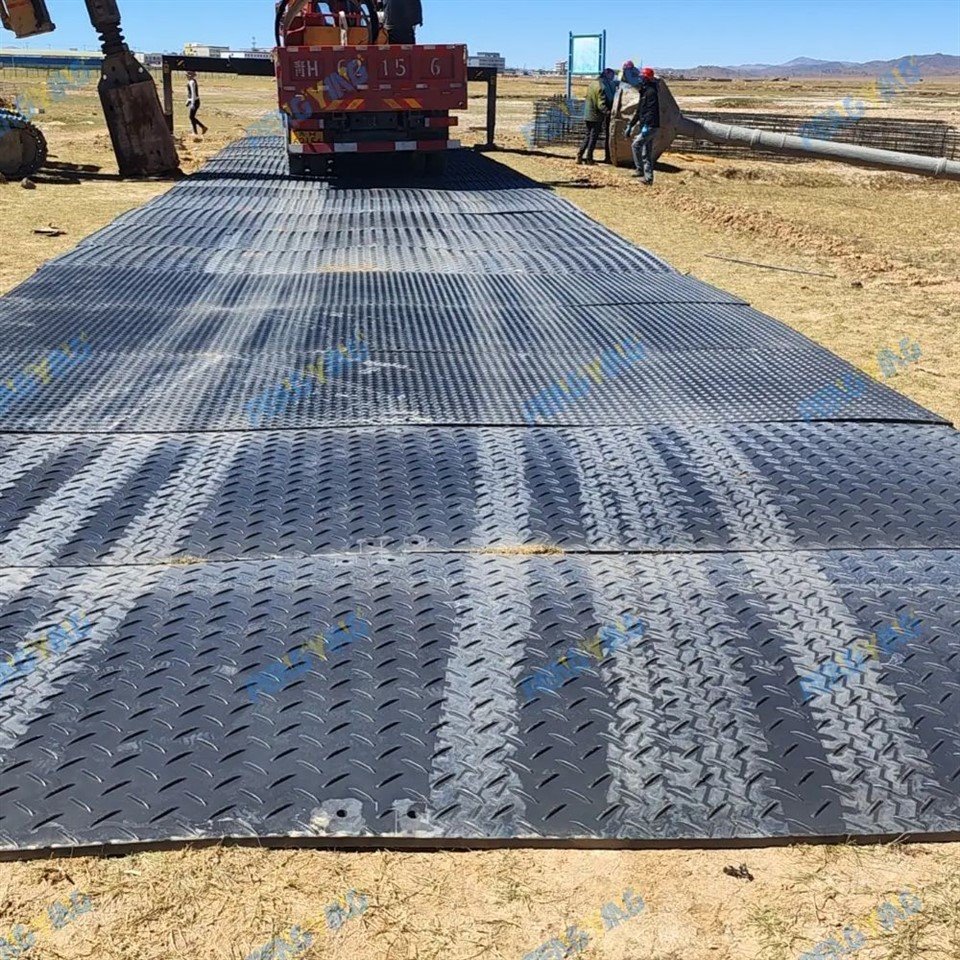
Introduction
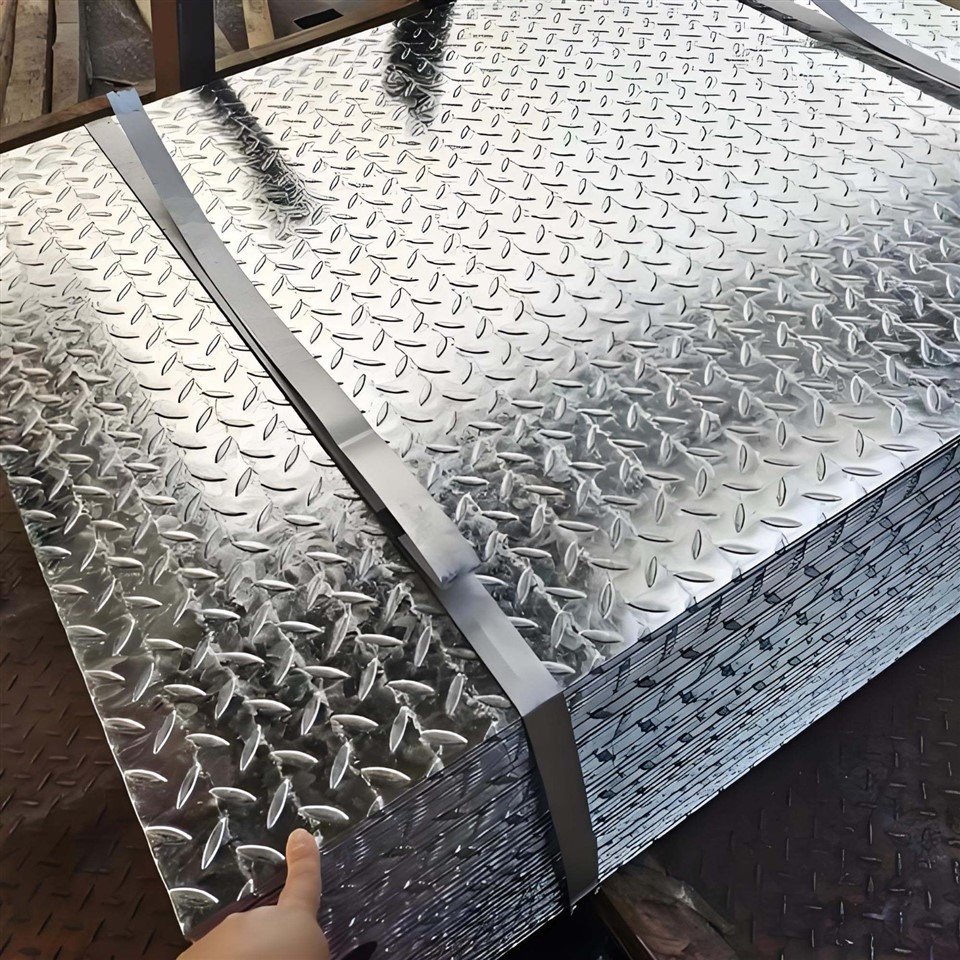
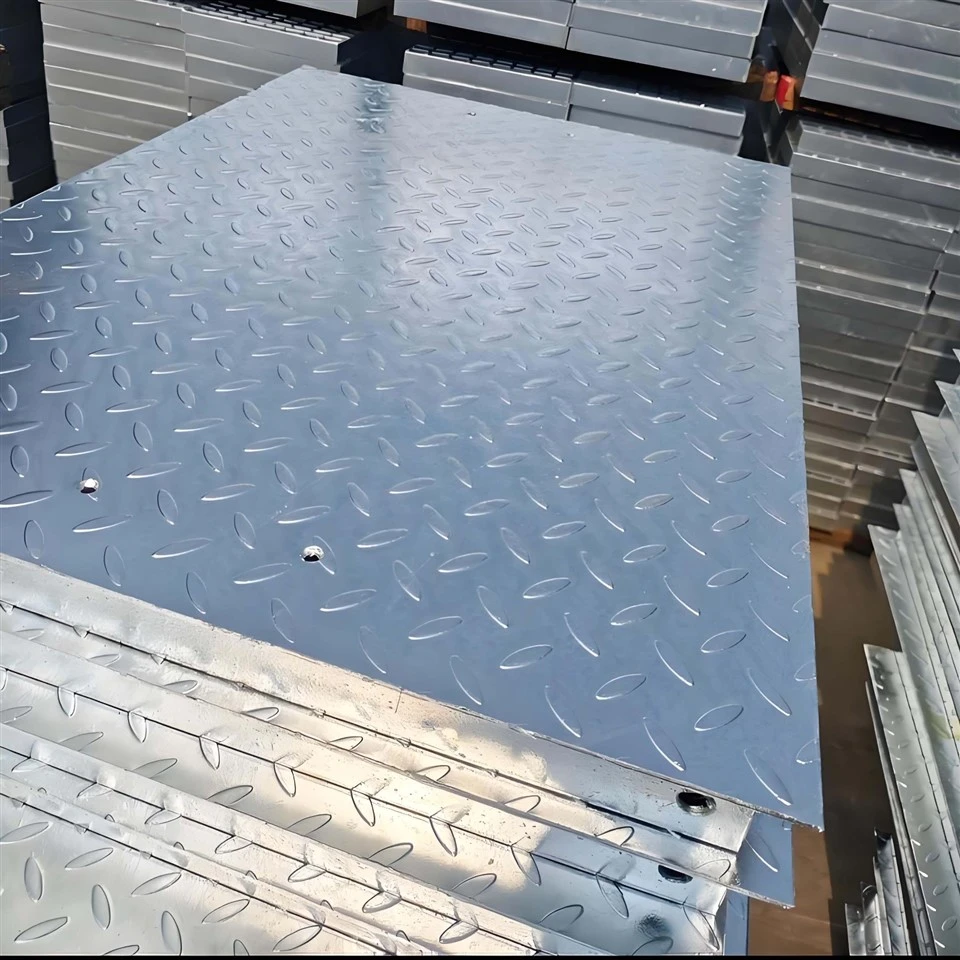
Stainless steel checkered plates are produced by mechanical equipment pressing patterns onto stainless steel plates, creating a textured surface with raised and recessed patterns. It is widely used in the flooring and work surfaces of industries such as food processing and pharmaceuticals, architectural curtain walls; interior decoration; rail transportation; and mechanical manufacturing.
| Tolerance | ±1% |
| Alloy Or Not | Non-Alloy |
| Material | Carbon Steel,Stainless steel or as required |
| Standard | ASTM, DIN, JIS, BS, GB/T |
| Length | 6.0m or as required |
| Width | 1.5m or as required |
| Thickness | 1.0mm-20.0mm, can be customized |
| Embossed Design | Diamond, Round bean, Flat mixed shape, Lentil shape or as required |

Features
- Anti-Slip Patterned Surface
A checkered pattern significantly improves traction and slip resistance, helping reduce the risk of accidents in high-traffic areas such as stairs, ramps, and platforms.
- Long Service Life
The stainless steel surface, combined with diamond mesh, has a longer service life (20-30 years).
- Temperature Resistance
Stainless steel maintains stability under high or low temperatures, suitable for outdoor use or industrial processes involving heat or cold.


Customization Options
- Production Methods Selection
One is produced by steel mills through rolling mills, with a thickness generally ranging from 3 to 6 mm. These plates are in a hot-rolled, annealed, and pickled state, with one side flat and the other side patterned.
The other method is by mechanical stamping in processing enterprises, resulting in plates with one side concave and the other convex.
- Specification and Dimensions
The thickness usually ranges from 0.6 to 50 mm, with widths available in 1000 mm, 1220 mm, 1500 mm, etc. They can be customized according to requirements.
- Customizable Patterns
Common reference patterns, including Standard Diamond Mesh, Linear Rib Pattern, Cross Grid Pattern, and Custom Patterns.
Provide your desired pattern design (e.g., brand logos, specific mesh sizes) or sample.
Packing & Delivery

FAQ
Q: What is the most commonly used pattern?
A: The standard diamond mesh pattern is the most widely used option. It typically features mesh sizes such as 5×5 mm, 10×10 mm, or 15×15 mm, making it suitable for general industrial flooring and outdoor walkways.
Q: What is a linear rib pattern, and where is it used?
A: The linear rib pattern consists of parallel raised ribs with spacing ranging from 8 to 20 mm. This design helps guide water or oil drainage while maintaining anti-slip performance, making it suitable for wet environments such as food processing facilities or car wash floors.
The cross grid pattern features intersecting horizontal and vertical ribs forming a grid structure, typically ranging from 10×10 mm to 25×25 mm. This structure enhances load-bearing capacity and is often used in heavy-duty environments such as warehouse floors and loading docks.
Q: How are the patterns formed on the stainless steel plate?
A: The patterns are created using precision roll-forming equipment under high pressure, ensuring that the embossed structure is firmly integrated with the plate surface.
Q: What pressure is used during pattern forming?
A: During manufacturing, the pattern is pressed at 100–200 MPa to ensure strong adhesion between the pattern and the base plate.
Hot Tags: checkered plate stainless steel, China checkered plate stainless steel manufacturers, suppliers, factory, 1 4 ss plate, 25 steel plate, black steel plate, 304 Plate, 3mm stainless steel sheet, 304 Stainless Steel Coil


